
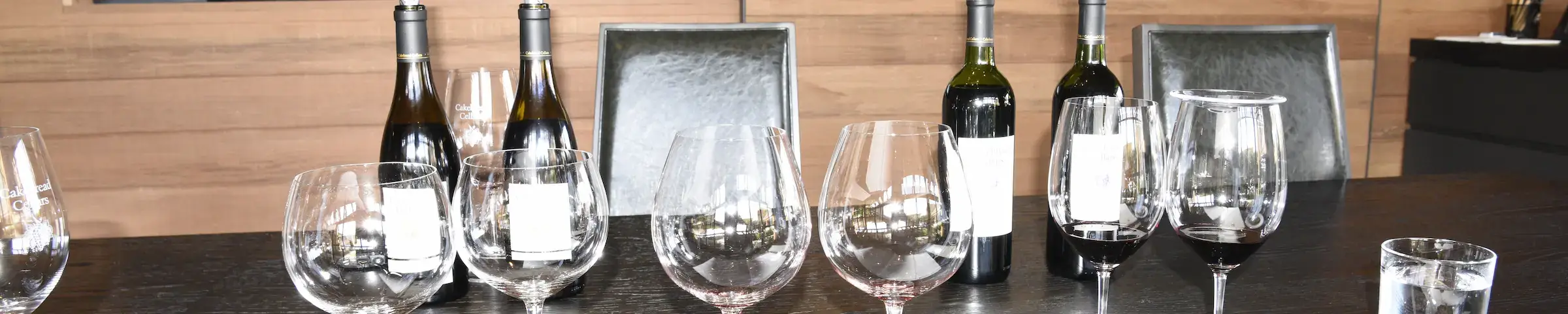
Choose wine tasting transportation—a driver, tour, or rideshare—before you lock Tock times. Three tastings plus rural driving is a full workday for whoever is behind the wheel. The vehicle choice sets how far you can go, whether everyone tastes, and whether the last pickup is fantasy. How many stops fit is in how many wineries in one day.
A route with three wineries in one corridor may work with a designated driver or rideshare. A route across a large valley or remote back roads may need a private driver or a tour. Add time for leaving a tasting room, restrooms, check-in, parking, and late starts—not just pin-to-pin minutes. Keep the route short. Transportation gets more expensive, less predictable, and less safe as distance grows.
The Napa Valley AVA1 sits in one county, which is why Highway 29 / Silverado clustering is easier for hourly cars than Sonoma’s Healdsburg-to-Plaza jump or Paso’s Adelaida-to-46 East crossing. If the last tasting sits on a mountain or west-side ranch road, assume rideshare will not appear at 5:15 p.m. Finish near town if overtime rates apply.
Options compared
| Option | Best for | Limit |
|---|---|---|
| Fully sober designated driver | Couples / small groups, compact corridor, lowest cost | That person tastes nothing. Confirm nonalcoholic pours and whether a DD discount exists—many rooms do not auto-discount |
| Private driver / car service | Everyone tastes; custom list | Hourly minimums, overtime, cargo for bottles. Send the itinerary; ask if the order is realistic |
| Guided tour | Solo / first visit; you want pickup and a host | You may not choose the wineries or the lunch |
| Rideshare / taxi | Downtown tasting rooms, dinner after | Weak primary plan at rural last stops; test the app from the hotel |
| Shuttle / trolley | Walkable districts on a published route | The route is the itinerary. Last departure is a hard stop |
The CDC2 advises planning a ride before you drink. A designated driver is part of the booking, not someone handed keys after lunch. The word fully matters. One tasting is not a transportation plan. This option works when that person is happy to participate through scenery, lunch, and nonalcoholic offerings. Some wineries provide a complimentary nonalcoholic pour or a reduced experience; confirm rather than assuming a discount. Rotate the role across a weekend if you have two tasting days. If that person becomes unavailable, hire a car or cancel—do not salvage the day with “just a few sips.”
Private driver
For groups where everyone wants to taste, a private driver is usually the most reliable choice. You keep a custom itinerary without navigating, parking, or monitoring who is fit to drive. It is also practical where winery clusters sit far apart. Ask for the all-in estimate: hourly minimums, service-area boundaries, fuel surcharges, gratuity, pickup location, passenger count, luggage, overtime, and whether they will follow your list. A driver is not automatically a route planner. If they flag a timing problem, change the itinerary before the day begins so you are not paying someone to recross the same valley.
Guided tour
Tours suit solo travelers, couples, and first visits when you want pickup from a hotel or town center and host commentary. Tasting fees may be included, separate, or waived only with a purchase. Read inclusions. You may visit wineries that are not your first choice, stay longer than you prefer at one stop, or lose flexibility for lunch and special tastings. Choose a tour when convenience beats customization. Choose a private driver when reservations are already set.
Rideshare, taxis, shuttles
Rideshare can cover a compact day near dense rooms, downtown tasting, or dinner after. It is a weak primary plan in many wine regions. Cell coverage can drop, drivers can be scarce outside town, and wait times wreck a fixed reservation. A late-afternoon return is especially hard if several rooms close at once. Test the app from the hotel, ask lodging about realistic availability, and keep a local backup number.
Shuttles and trolleys reduce cost when their schedule matches walkable districts. Check operating days, seasonal hours, last departure, pickup points, and whether you must reserve. A shuttle that only serves one corridor should shape the winery list.
Match the vehicle to group limits
For a couple, a sober driver, small private car, or tour is usually enough. For four to six, splitting a private driver can beat multiple rideshares plus parking. For larger groups, confirm vehicle capacity and group reservation rules together. A 12-passenger van does not mean every winery sold you a 12-top. Split reservations add time.
Cases need trunk space. Ask whether lodging can receive shipments. Do not leave wine in a hot car through the next appointment.
Build the timeline around the ride home
Set the first appointment late enough for breakfast. Schedule a real lunch. Carry water. Keep 20–30 minutes of buffer before any hard clock. If the driver has a hard end time, finish near the hotel. If you are on a tour or shuttle, know the last pickup before you order another tasting. Skip the optional last stop if the schedule slips. Plan how much time to leave between reservations around that end time.