Wine Storage & Cellar Gear
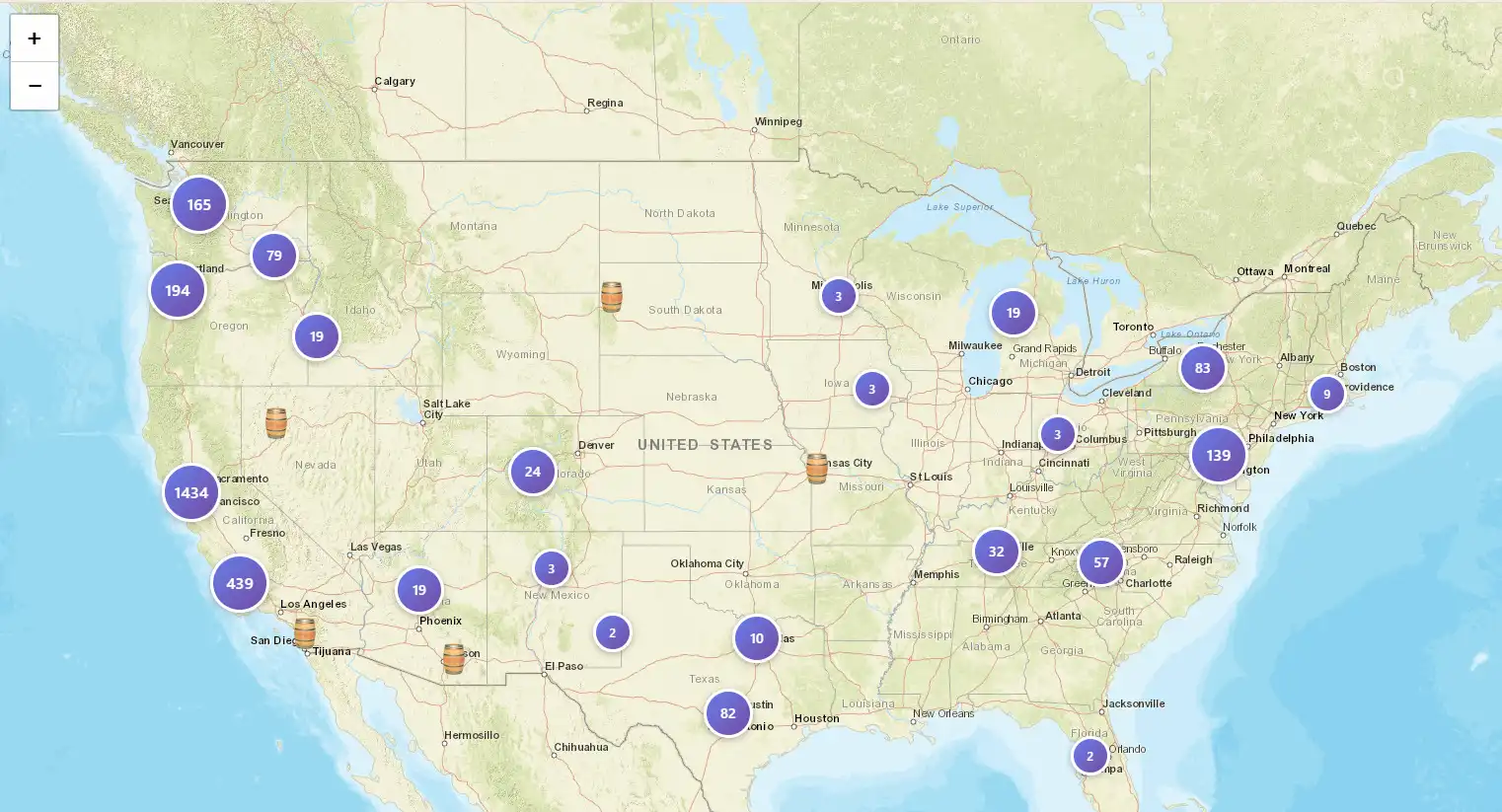
Plan winery tasting trips with maps and routes—not another wine encyclopedia. Find wineries,
compare tasting discounts, check reservation requirements, and sequence daily stops
for Napa, Sonoma, Paso Robles, Willamette Valley, Finger Lakes, and more. For how many tastings
to book, when to reserve, and which corridor to drive, start with the
wine tasting trip guides.
Explore Discover Wine Online
Wineries by region
Wine country planning
Built for tasting trips
- Map tasting rooms by region and keep stops in one corridor
- Filter by tasting discounts, reservation rules, and business type
- Sequence appointments with drive time and reservation windows in mind
- Use the wine tasting trip guides for pacing, booking lead time, and transportation
Winery tasting trip FAQ
- How do I plan a winery tasting day?
- Start with the wine tasting trip guides for how many stops, when to book, and how to pick a corridor. Then use this map to place those appointments without zig-zagging.
- How far in advance should I book winery tastings?
- Book must-do tasting rooms as early as you can. Peak weekends and harvest season (often September–October) may need weeks or months of lead time for popular appointments.
- Do wineries require tasting reservations?
- Many tasting rooms require reservations, especially on weekends or for groups. Reserve your anchors first, then add nearby flexible stops.
- How can I find wineries with tasting discounts?
- Enable show-only businesses with discounts on the map, then use our wine tasting discounts guide to compare regional pass programs and example tasting rooms in Napa, Sonoma, Finger Lakes, and Willamette Valley.
- Should I drive myself to wine tastings?
- You can, but plan transportation before you book. If everyone will taste, consider a driver, tour, or rideshare. For self-drive days, keep the route short, eat lunch, hydrate, and use a fully sober designated driver.
Wine cellar FAQ
- How do you track your wine cellar?
- A wine cellar tracking app lets you record bottles, quantities, storage locations, drink windows, and tasting notes. Discover Wine Online includes cellar inventory alongside winery tasting-trip tools.
- What is the best wine cellar app for collectors?
- Look for searchable inventory, drink-window tracking, tasting notes, and CSV import. Discover Wine Online adds cellar tracking in the same account you use for winery maps and tasting-day planning.
Wine tasting discounts by region