
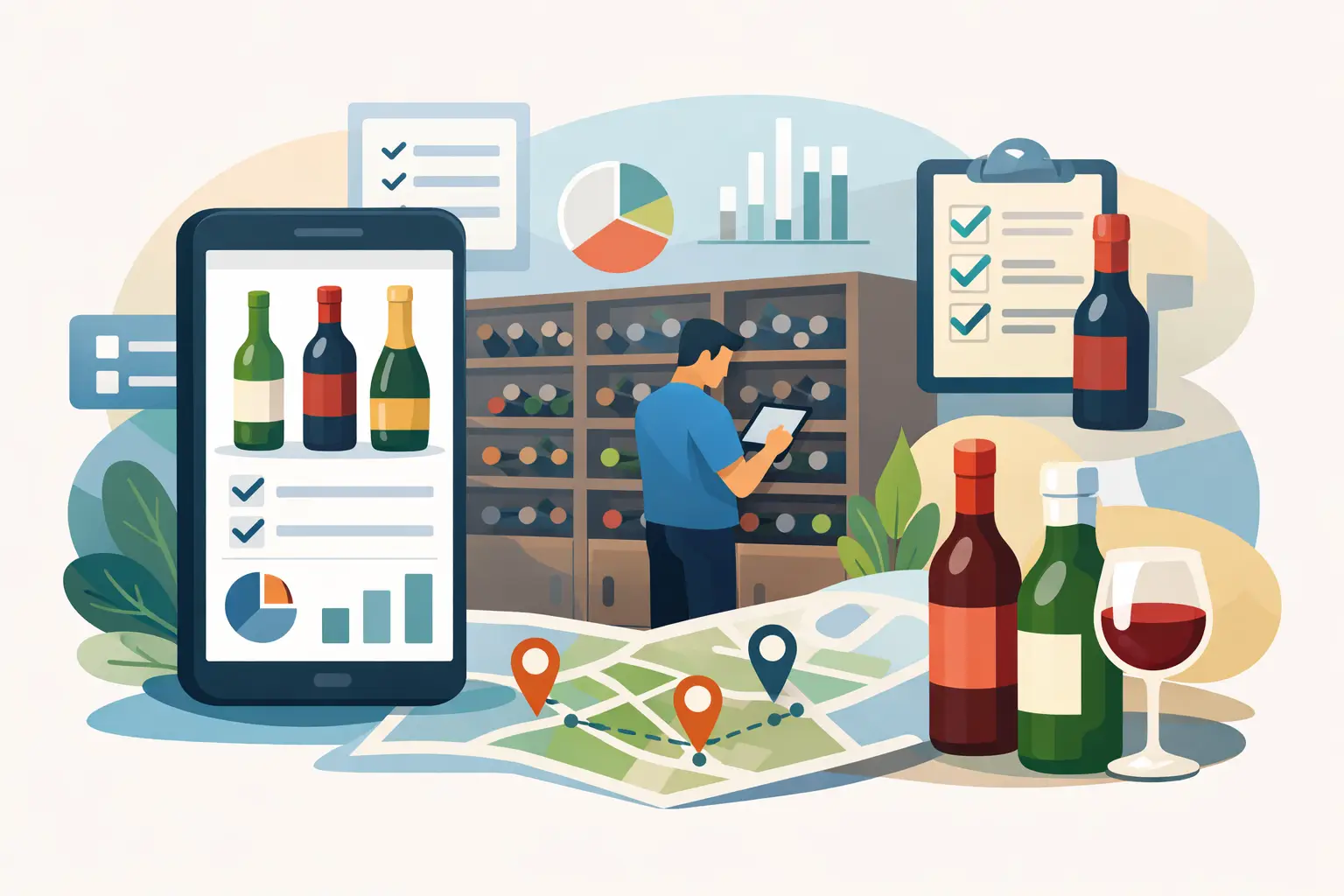
You return from a winery weekend with six bottles you were excited to buy, then realize three are nearly identical to wines already waiting in your rack. A wine cellar inventory app prevents that familiar gap between buying wine and actually enjoying it. It gives you a clear record of what you own, where it is stored, when it is likely to drink well, and what your collection needs before the next tasting trip.
For travelers who buy directly from wineries, this is less about building a museum-like cellar and more about making better decisions. You can see whether you need everyday reds, bottles for an upcoming dinner, age-worthy wines, or simply a plan to open what is already at home.
What a Wine Cellar Inventory App Should Track
The useful version of a cellar app does not bury you in winery history or technical tasting language. It answers practical questions quickly: What bottles do I have? Where are they? Which ones should I open soon? What did I think of the last bottle from this producer?
Start with the basics: producer, wine name, vintage, varietal or blend, quantity, and purchase date. Add the storage location with enough detail to find a bottle without pulling everything apart. “Basement rack” is helpful; “rack 2, shelf 4, left side” is better when your collection grows.
Drink windows are another high-value field. They do not need to be perfect predictions. A simple note such as “open 2026-2029” is enough to separate bottles intended for a near-term dinner from those worth holding. If you do not know a wine’s ideal window, record a conservative reminder to revisit it rather than leaving the field blank.
Tasting notes also matter, especially for wines purchased while traveling. A brief note like “bright acidity, good with seafood” or “liked the 2023 tasting-room pour more than the reserve” helps you buy with more confidence later. Memory fades quickly after a weekend with several appointments.
Use Your Inventory Before You Plan a Tasting Trip
A cellar inventory becomes most valuable before you leave for wine country. Review it while you are building your route, not after the shipping boxes arrive.
First, look for patterns in what you already own. If your racks are full of Napa Cabernet Sauvignon but light on white wine, sparkling wine, or lighter reds, that should influence your tasting choices. It does not mean you cannot buy another Cabernet you love. It means you can make that purchase deliberately instead of by default.
Then check your open-now bottles. If you have a dozen wines approaching their preferred drinking window, schedule a few meals around them before purchasing more cellar candidates. A full inventory is not a reason to stop visiting wineries. It is a reason to make each purchase fit a real purpose.
This also improves group trips. Before a couple or group heads to Sonoma, Paso Robles, Walla Walla, or the Willamette Valley, each buyer can decide what they are seeking. One person may want Pinot Noir for weeknight dinners, another may be looking for a special-occasion bottle, and another may want club shipments to compare. Clear goals reduce impulse purchases without taking the fun out of discovery.
Build a Purchase Plan Around Real Storage Space
Wine-country purchases can outpace storage faster than expected. A case can seem manageable at the tasting room, especially when mixed bottles, member discounts, and limited releases are involved. It becomes less manageable when your rack is already full and the weather is too warm to leave extra bottles in a closet.
Before your trip, use the app to count available spaces and identify appropriate storage conditions. Wine generally benefits from a cool, dark, stable environment. A dedicated wine refrigerator or cellar is ideal for bottles you plan to hold. A climate-controlled interior area may be workable for short-term storage, while a hot garage, sunny counter, or shed is not a reliable long-term plan.
Set a realistic bottle limit for the trip. The limit can be flexible, but it should account for your vehicle, luggage, shipping decisions, and storage capacity at home. If you plan to buy more than you can safely transport, confirm shipping details with the winery before committing. Never leave purchased wine in a hot parked vehicle while continuing a day of tastings.
A practical inventory app should let you record bottles as soon as you buy them, even if you only enter the essentials on the road. Add the producer, vintage, quantity, and a quick storage placeholder. Fill in drink windows and notes once you are home. Capturing the purchase immediately is easier than reconstructing a mixed case from receipts later.
Choose the Right Level of Detail
There is a trade-off between a meticulous cellar record and one you will actually maintain. A 30-bottle collection does not need the same level of tracking as a 500-bottle cellar. Overcomplicated entry fields are one of the fastest ways to abandon an app.
For a smaller collection, track the bottle, quantity, location, estimated drink window, and a short note. That is enough to avoid duplicates and open wines at the right time. For a larger collection, add purchase price, provenance, bottle size, critic or personal score, and insurance-related details if those records serve a real need.
CSV import support is particularly helpful if you are moving from a spreadsheet or have records from another system. Importing a starting inventory is usually more practical than manually entering every bottle. Review imported data in batches, beginning with wines you expect to drink within the next year. You can refine older or less urgent records later.
Make Bottle Selection Easier at Home
A good inventory record should help answer the question that comes up at 6 p.m.: What should we open tonight?
Filter your collection by drink window, style, food pairing note, or location. If you are grilling, you might look for an open-now Syrah or Cabernet Franc. If dinner is takeout sushi, a crisp Riesling, Sauvignon Blanc, or sparkling wine may be the better choice. The app is not there to dictate the meal. It is there to show you options that are ready and easy to find.
When you open a bottle, update the quantity right away and add one sentence about the experience. Was it better than expected? Too young? A reliable dinner-party choice? Those notes create a personal buying guide that is more useful than a generic score because it reflects your taste, your food habits, and the wines you actually finish.
Discover Wine Online’s cellar tracking tools can support this practical approach by recording inventory, bottle quantities, storage locations, drink windows, tasting notes, and CSV imports alongside the trip-planning work that brought those bottles home.
Keep Trip Planning and Cellar Planning Connected
A winery itinerary should still start with logistics. Reserve your anchors first, keep stops within the same corridor, and leave enough time for travel, food, water, and a fully sober designated driver or hired transportation. Do not let a purchase list push you into an overpacked tasting day.
Once reservations are set, use your inventory to guide the buying side of the trip. If a winery is known for wines that fill a clear gap in your collection, prioritize a tasting there. If you already have plenty of a particular style, you can still visit, but perhaps buy a single bottle instead of joining a club on the spot.
Be especially careful with club sign-ups made after multiple tastings. Ask about shipment frequency, typical bottle quantity, cancellation terms, and whether you have room for future allocations. A discount can be worthwhile, but only if the wines suit your preferences, budget, and storage plan.
A Simple Routine That Keeps Records Current
The best inventory system is one you can maintain in a few minutes. Update it in three moments: when wine comes in, when a bottle moves, and when a bottle is opened. If you wait for a quarterly cleanup, missing entries will multiply.
Set a seasonal reminder to review wines nearing their drink windows and bottles stored in temporary spaces. Before holidays or dinner parties, check what is ready to serve rather than buying another bottle out of habit. Before every winery trip, review your available space and the styles you want to bring home.
Your collection does not need to be large to deserve a plan. Track what you own, buy with a purpose, and leave enough room for the bottle that makes the next wine-country visit worth remembering.